You Reap What You Sow: The Home Improvements That Actually Pay You Back
September has always felt a little like a turning point to me.
Summer starts packing her bags, the days get just a touch shorter, and harvest season rolls around. It’s the time of year when we finally get to see what all that planting, tending and patience has produced.
And if you've owned a home for any length of time, you know you've done a little planting of your own. You've painted walls. Replaced appliances. Fixed things that broke at the absolute worst possible time. Maybe you've remodeled a bathroom, built a deck or finally tackled that kitchen you swore you'd redo when you bought the house twelve years ago.
You've put money, work and quite a bit of yourself into your home, but when it comes time to sell, which of those investments actually bear fruit?
Your House Isn't a Piggy Bank
Let's get this one out of the way first.
Spending $20,000 on your home doesn't automatically make it worth $20,000 more. I know. Rude.
But real estate doesn't quite work that way. Your home's value is still influenced by where it is, its size and condition, comparable sales, the current market and, ultimately, what a buyer is willing to pay for it.
That beautiful renovation may absolutely make your home more desirable. It may help it sell faster or put it ahead of the competition. But dollar spent doesn't always equal dollar returned.
So if you're thinking about renovating because you plan to sell, sometimes the smartest thing you can do is put down the sledgehammer and make a phone call first.
Start at the Front Door
You know that old saying about making a first impression? Houses don't get a second one either.
Buyers are taking in your home before they've even gotten out of the car. The lawn, landscaping, driveway, shutters, porch and front door have already started telling them a story. Thankfully, this is also an area where a little money and elbow grease can go a long way.
Fresh mulch. Trimmed shrubs. Clean walkways. A freshly painted front door. Healthy plants on the porch. Nothing super fancy.
You're simply sending a quiet little message that says, this home has been loved and cared for. And that's a nice thought for a buyer to carry through the front door.
Never Underestimate a Can of Paint
If I could wave one relatively inexpensive magic wand over a house before putting it on the market, fresh paint would be pretty high on my list.
Years of everyday living leave their mark. Scuffs, fingerprints, faded walls—and yes, that paint color you adored in 2014 that may have had its moment. Fresh paint can make an entire home feel brighter, cleaner and better maintained.
That doesn't mean we need to drain every ounce of personality from your house and paint the whole thing the color of oatmeal. We're simply giving buyers enough breathing room to see the house instead of the paint.
About That Kitchen...
Kitchens and bathrooms sell houses. We've all heard it. And yes, buyers pay attention to them. But please don't hear that and immediately decide you need to rip yours down to the studs.
Sometimes new cabinet hardware, updated lighting or a beautiful faucet is enough. Cabinets may need painting rather than replacing. A bathroom might need fresh caulk, new fixtures and a good scrub rather than a $25,000 renovation.
There is a big difference between dated and needs to be replaced. And depending on your neighborhood and price point, buyers may be perfectly happy with dated if the home is clean, cared for and priced accordingly because they are already thinking about what it looks like when it’s theirs.
Before spending a small fortune giving your kitchen a makeover for someone else, let's figure out whether you actually need to. I'd much rather have that conversation before the contractor arrives.
The Boring Stuff Is Surprisingly Valuable
Nobody has ever invited me over and said, “Ashlee, you absolutely have to see my new sump pump.”
But let me tell you something, they do care about:
Roof.
HVAC.
Electrical.
Plumbing.
Drainage.
Crawl spaces.
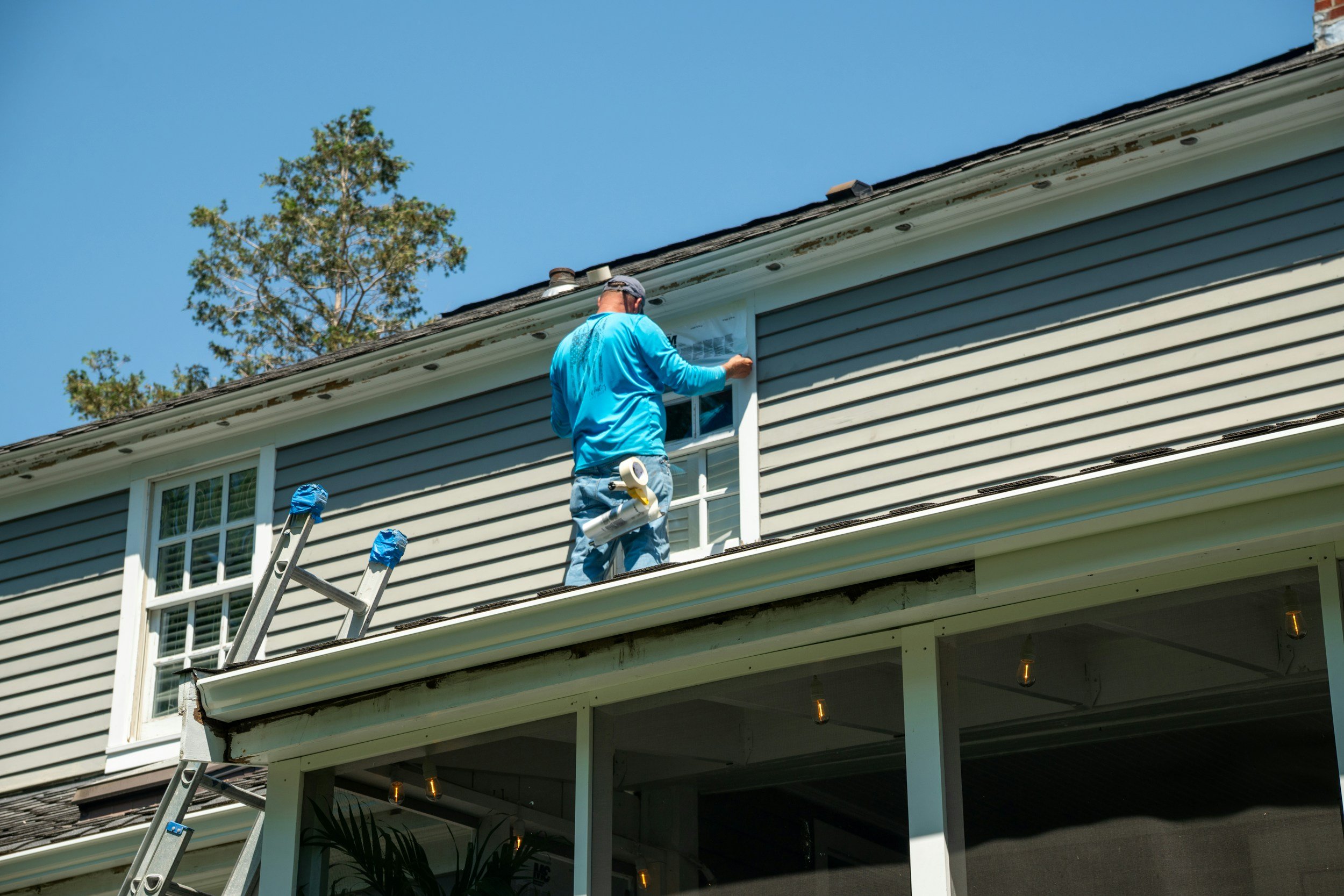
Gutters.
Water heaters.
All those wonderfully unglamorous things that keep a house standing, dry and comfortable suddenly become very interesting when an inspector shows up.
Deferred maintenance also has a funny way of getting more expensive once a buyer discovers it. A repair that might cost you $1,000 can turn into a much bigger number in a nervous buyer's imagination.
Taking care of your home may not give you the prettiest before-and-after pictures, but it does something equally valuable:
It gives buyers fewer reasons to worry.
Don't Forget What's Under Your Feet
Worn carpet, scratched floors and a patchwork of different flooring can make an otherwise lovely home feel tired. Again, this doesn't mean ripping everything out.
Sometimes professional carpet cleaning works wonders. Sometimes a hardwood floor needs a little love. Sometimes that carpet really has fought the good fight and it's time to thank it for its service.
The goal isn't perfection. It's making the home feel cared for and minimizing that mental list buyers start making the minute they walk through the door:
Replace carpet...paint bedroom...fix faucet...change light...
Because that list gets expensive awfully fast…even when the actual fixes aren't.
And Then There Are the Things You Did Just for You
Maybe you built a garden because you love digging in the dirt on Saturday mornings. Maybe you created the world's most fabulous dressing room. Maybe you built a screened porch where your family has eaten dinner every summer for the past decade. Maybe you put in the soaking tub because shutting the door and disappearing into a bubble bath for an hour was worth every penny.
Not every improvement you make to a home has to come back to you on a settlement statement.
You lived there. You had dinners and birthdays and quiet mornings and loud holidays there.
Some improvements pay you back in memories, comfort and simply enjoying your life. I'd say that's a pretty good return.
The only thing we have to remember when it's time to sell is that the next person may not put the same dollar value on those choices that you did.
And that's okay.
So, Where Should You Spend Before You Sell?
This is where I always recommend taking a beat before pulling out the credit card.
Let's walk through the house. Let's look at what has sold nearby. Let's see what your competition looks like. Let's talk about what buyers at your price point expect and, just as importantly, what they don't expect.
You may find out that big renovation you've been worrying about isn't necessary at all. Maybe there are three smaller projects that would make a much bigger difference. Because a good harvest was never about planting everything you could get your hands on. It's about knowing where to put your time, your money and a little bit of love, and knowing when it's finally time to enjoy what you've grown.